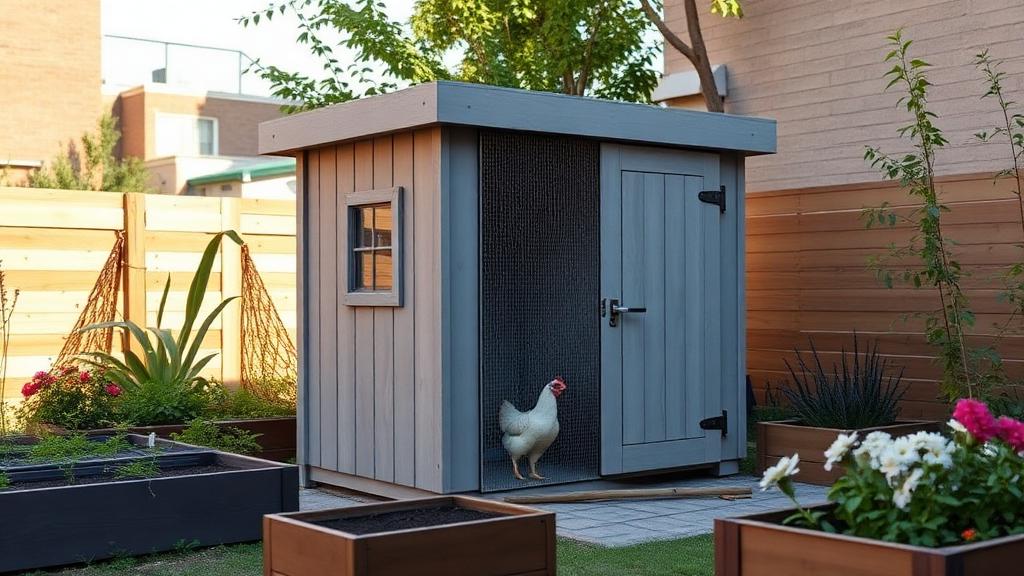
Small chicken coop plans aren’t just scaled-down versions of large coops—they require completely different design strategies. After helping 40+ urban neighbors maximize egg production in spaces as small as 200 square feet, I’ve learned that smart small coop design is about vertical thinking, multi-function features, and working within strict city ordinances.
The biggest mistake small-space chicken keepers make? Thinking they can’t keep chickens effectively in limited space. Wrong. My neighbor produces 4-5 eggs daily from her 150 square foot backyard in Phoenix, and her setup could work in downtown apartments with balconies.
Small Space Reality Check
Minimum Space Requirements
- Total space needed: 32-48 sq ft for 2-3 hens
- Coop footprint: 16-24 sq ft (4×4 to 4×6)
- Run area: 16-24 sq ft additional
- Access space: 3-foot clearance around coop
Urban Limitations to Plan For
- Setback requirements: 5-25 feet from property lines
- Height restrictions: 6-10 feet maximum structure height
- Noise considerations: No roosters in 98% of cities
- HOA aesthetics: Must blend with neighborhood character
Looking for detailed construction guidance? Check our complete chicken coop building guide with step-by-step instructions for any of these designs. For urban lot placement and setback strategies, see our small backyard coop plans guide. First-time builders should start with our beginner-friendly coop plans.
Table of Contents
- Small Space Design Principles
- Ultra-Compact Designs (100-300 sq ft lots)
- Small Backyard Designs (300-600 sq ft lots)
- Medium-Small Designs (600-1000 sq ft lots)
- Vertical Space Optimization
- Urban-Specific Considerations
- City Ordinances and Legal Compliance
- Advanced Space Maximization Techniques
- Neighbor Relations and Aesthetics
- Maintenance in Small Spaces
- Design Selection Framework
Small Space Design Principles That Actually Work
Small chicken coop plans succeed when they maximize function per square foot. After testing dozens of space-saving techniques, these principles separate effective designs from cramped disasters.
The 5 Non-Negotiable Small Space Rules
1. Vertical Integration is Everything
Small lots demand thinking up, not out. Every successful small coop design uses vertical space for multiple functions:
- Roosting above nesting: Standard requirement, saves 8-12 sq ft
- Storage above or below: Feed, tools, supplies in otherwise dead space
- Elevated coops: Creates shelter/shade area underneath
- Multi-level runs: Platforms double usable chicken space
2. Multi-Function Every Element
In small spaces, single-purpose items are luxury you can’t afford:
- Nesting boxes double as cleanout access
- Roosting bars provide structural support
- Run fencing serves as trellis for climbing plants
- Coop roof becomes rain catchment for waterer
3. Access from Outside Only
Walk-in coops waste precious space in small designs:
- External nesting box access: Collect eggs without entering run
- Removable roosting bars: Clean from outside
- Slide-out droppings trays: Maintenance without entering
- Top-opening designs: Complete access from above
4. Modular and Expandable
Small spaces change—successful designs adapt:
- Bolt-together construction: Move or reconfigure easily
- Standardized dimensions: Add matching modules later
- Detachable runs: Seasonal configuration changes
- Upgrade-friendly design: Add automation without rebuilding
5. Aesthetic Integration
Small coops are visible—they must look intentional:
- Match existing structures: Colors, materials, roof lines
- Garden integration: Become part of landscape design
- Clean lines: Simple, purposeful appearance
- Screening options: Attractive fencing or plantings
📐 Space Allocation Formula for Small Coops
Total lot space × 0.15-0.25 = Maximum chicken area
- 400 sq ft lot: 60-100 sq ft for chickens (2-3 birds)
- 600 sq ft lot: 90-150 sq ft for chickens (3-5 birds)
- 800 sq ft lot: 120-200 sq ft for chickens (4-6 birds)
Ultra-Compact Designs (100-300 sq ft lots)
These designs work in the tightest urban spaces—balconies, tiny backyards, and narrow side yards. Focus is on maximum efficiency and neighbor compatibility.
Design #1: The Vertical Tower Coop
Specifications
- Footprint: 3×3 feet (9 sq ft)
- Height: 6 feet
- Capacity: 2-3 bantam hens
- Cost: $200-350
Layout Features
- Ground level: Storage, feeder, waterer
- 2nd level: Nesting boxes (external access)
- 3rd level: Roosting area with removable trays
- Top level: Weather protection, ventilation
✅ Pros
- Maximum birds per square foot of any design
- Weather protected on all levels
- Easy maintenance with slide-out components
- Aesthetically striking architectural element
- No run footprint needed
❌ Cons
- Limited to small/bantam breeds
- No ground access for chickens (confined always)
- Requires frequent cleaning due to confinement
- Height may violate ordinances in some areas
- Complex construction for beginners
Best for: Urban balconies, narrow side yards, HOA-restricted areas requiring attractive design
Design #2: The Murphy Coop (Fold-Away Design)
Specifications
- Footprint: 2×6 feet folded, 4×6 deployed
- Height: 4 feet
- Capacity: 2-3 standard hens
- Cost: $250-400
Deployment Features
- Folds against fence or building wall
- Expands to create 24 sq ft run space
- Coop section remains fixed, run deploys
- Takes 2 minutes to set up/take down
✅ Pros
- Space when you want it, flexible usage
- Weather protection—fold away during storms
- Neighbor friendly, temporary appearance
- Rental property suitable, easily removable
- Secure storage when not in use
❌ Cons
- Daily setup required for chicken access
- Complex hinge system, maintenance intensive
- Weather dependency—can’t use in storms
- Limited automation options
- Higher initial cost for mechanisms
Best for: Rental properties, shared spaces, areas with severe weather, maximum flexibility needs
Design #3: The Corner Wedge Coop
Specifications
- Footprint: 4×4×6 triangle (12 sq ft)
- Height: 5 feet
- Capacity: 2-3 standard hens
- Cost: $180-320
Space Optimization
- Fits into corner spaces
- Uses existing fence as two sides
- Triangular run maximizes diagonal space
- Angled roof sheds water efficiently
✅ Pros
- Uses dead corner space efficiently
- Lower material cost—fence provides walls
- Protected location, wind/weather shelter
- Easy construction, simple geometry
- Stable structure, corner bracing
❌ Cons
- Requires suitable corner, limited placement
- Awkward internal access, triangular space
- Drainage issues if corner collects water
- Limited expansion options
- May trap heat in summer
Best for: Properties with suitable corners, budget-focused builds, beginner builders
Small Backyard Designs (300-600 sq ft lots)
These designs balance chicken needs with other yard uses. Perfect for typical urban residential lots that want productive flocks without sacrificing outdoor living space.
Design #6: The Urban Homestead
Specifications
- Footprint: 4×6 feet (24 sq ft)
- Height: 6 feet
- Capacity: 4-6 standard hens
- Cost: $350-550
Premium Features
- Elevated design with under-coop storage
- External nesting box access
- Integrated run with hardware cloth
- Ventilation system built-in
✅ Pros
- Perfect balance of space and capacity
- Under-coop storage or shade area
- Full security with hardware cloth
- Easy maintenance access
- Attractive design for any neighborhood
❌ Cons
- Moderate footprint required
- Intermediate construction skills needed
- Materials cost in mid-range
- May need permit in some areas
Best for: Serious urban chicken keepers, families wanting sustainable egg production
Design #7: The Suburban Cottage Coop
Specifications
- Footprint: 5×7 feet (35 sq ft)
- Height: 7 feet
- Capacity: 5-8 standard hens
- Cost: $450-700
Design Features
- Cottage-style aesthetic
- Flower boxes and trim details
- Matching house paint colors
- HOA-friendly appearance
✅ Pros
- HOA-approved aesthetic design
- Property value enhancement
- Larger flock capacity
- Professional appearance
- Neighbor-friendly design
❌ Cons
- Higher construction cost
- More materials required
- Longer build time
- May need building permit
Best for: HOA communities, style-conscious homeowners, larger family flocks
Medium-Small Designs (600-1000 sq ft lots)
These designs offer more comfort for larger flocks while maintaining small-space efficiency. Perfect for urban lots that want serious egg production.
Design #11: The Urban Homestead Deluxe
Specifications
- Footprint: 6×8 feet (48 sq ft)
- Height: 8 feet
- Capacity: 8-12 standard hens
- Cost: $500-800
Premium Features
- Walk-in design for easy maintenance
- Automatic door and lighting
- Integrated storage loft
- Weather station integration
✅ Pros
- High capacity for serious egg production
- Premium features, automated systems
- Easy maintenance with walk-in access
- Professional appearance, property enhancement
- Future-proof design with room for upgrades
❌ Cons
- Higher cost with premium materials
- Complex construction, advanced features
- Space commitment with large footprint
- Maintenance complexity with more systems
- Possible permit requirements for size
Best for: Serious chicken keepers, maximum egg production, premium property upgrades
Design #12: The Chicken Tractor System
Specifications
- Footprint: 4×8 feet (32 sq ft)
- Mobile range: Up to 200 sq ft
- Capacity: 6-8 standard hens
- Cost: $350-550
Mobile Features
- Wheeled for easy movement
- Bottomless for ground access
- Lightweight construction
- Weather protection shelter
✅ Pros
- Maximum space utilization—rotate through yard
- Natural fertilizer distribution, lawn improvement
- Pest control as chickens clean different areas
- Ground access for natural foraging behavior
- Flexible positioning, seasonal optimization
❌ Cons
- Daily moving required, labor intensive
- Weather dependency, movement limitations
- Structural limitations with lightweight construction
- Security concerns when unattended
- Uneven ground challenges, mobility issues
Best for: Active managers, lawn improvement goals, maximum space utilization
Vertical Space Optimization
Vertical design is the secret weapon for small-space chicken keeping. These techniques can effectively double your usable space without expanding footprint.
Multi-Level Run Platform System
Structure: Multiple elevated platforms at 18-inch intervals
Materials: Pressure-treated 2×4 framing, hardware cloth platforms
Space multiplier: 2-3x effective run space
Benefits: Exercise, pecking order separation, weather protection
Stacked Nesting Box Design
Structure: 3-tier external nesting boxes
Access: Individual lid for each level
Space savings: 60% reduction in wall space needed
Benefits: More nesting options, easier egg collection
📐 Vertical Space Calculation Formula
Effective space = (Footprint × 0.6) + (Height zones × Footprint × 0.3)
Example: 4×4 foot vertical coop, 6 feet tall
- Ground footprint: 16 sq ft
- Usable footprint: 16 × 0.6 = 9.6 sq ft
- Height zones: 3 zones (2-foot sections)
- Vertical bonus: 3 × 16 × 0.3 = 14.4 sq ft
- Total effective space: 24 sq ft (1.5x multiplier)
Urban-Specific Design Considerations
Urban chicken keeping requires different priorities than rural coops. Noise control, aesthetic appeal, and neighbor relations often matter more than maximizing bird capacity.
Noise Management Strategies
Egg Song (Loudest Issue)
Volume: 60-70 decibels, 10-15 minutes after laying
Timing: Usually 8am-12pm peak laying hours
Solutions: Sound-dampening nesting boxes, morning delay strategies
Acoustic Design Features
- Sound barriers: Solid fence panels on neighbor-facing sides
- Absorption materials: Straw bales, dense plantings around coop
- Distance placement: Maximum setback from neighbor windows/patios
- Time management: Late morning access to reduce dawn noise
Neighborhood Compatibility
Neighborhood Type Design Priority Material Selection
Historic DistrictsPeriod-appropriate designTraditional materials only Modern SuburbanClean, contemporary linesMetal, composite, glass HOA CommunitiesBlend with landscapeApproved color palettes Craftsman/CottageHandcrafted appearanceNatural wood, stone
City Ordinances and Legal Compliance
Urban chicken keeping legality varies dramatically by location. Understanding and complying with local regulations prevents costly mistakes and ensures long-term success.
Common Urban Chicken Regulations
Regulation Type Common Requirements Typical Range
Number LimitsMaximum hens allowed3-10 hens (6 most common) Setback RequirementsDistance from property lines5-100 feet (20 feet common) Structure LimitsMaximum coop size/height120-200 sq ft max, 6-10 ft height Rooster ProhibitionsMale chickens banned98% of cities ban roosters Permit RequirementsRegistration/inspection needed$0-200 annual fees
🔍 Before You Build: Compliance Checklist
- ✓ Check city zoning code for agricultural animals
- ✓ Review HOA bylaws if applicable
- ✓ Measure setback requirements from all property lines
- ✓ Confirm structure size doesn’t require building permit
- ✓ Verify rooster prohibition (plan for accidental roosters)
Advanced Space Maximization Techniques
When every square foot matters, these advanced techniques extract maximum function from minimum space.
Multi-Functional Design Elements
Smart Roosting Bar System
- Primary function: Nighttime roosting
- Secondary function: Structural support beam
- Tertiary function: Hangers for equipment
- Space savings: Eliminates separate structural members
Integrated Nesting/Storage System
- Primary function: Egg laying spaces
- Secondary function: Tool storage underneath
- Tertiary function: Feed storage in side compartments
- Space savings: Combines 3 storage needs
Technology Integration for Space Efficiency
Gravity-Fed PVC Feeder
Space saved: 75% reduction
Cost: $25-40
Nipple Water System
Space saved: 90% reduction
Cost: $15-30
Timer-Based LED Lighting
No bulky fixtures needed
Cost: $40-80
Neighbor Relations and Community Integration
Small chicken coop success depends as much on human relationships as coop design. In tight urban spaces, neighbor support determines long-term viability.
Common Neighbor Concerns and Solutions
Concern Validity Design Solution
Noise IssuesModerateSound barriers, coop placement, no roosters Odor ProblemsLowExcellent ventilation, regular cleaning Property ValuesLowHigh-quality design, landscape integration Pest AttractionModerateSealed storage, clean feeding practices
🤝 Community Benefit Integration
- Fresh egg sharing: Weekly egg gifts to immediate neighbors
- Garden integration: Composted manure as excellent fertilizer
- Educational opportunities: Hands-on agriculture education for children
- Pest control: Chickens eat grubs, slugs, harmful insects
Maintenance in Small Spaces
Small coop success requires smart access planning. The best designs make daily maintenance efficient and complete deep cleaning possible.
Daily Access Requirements
Morning Routine (5-10 minutes)
- Open pop door or deploy run (1-2 min)
- Check water level and cleanliness (1 min)
- Verify feed availability (1 min)
- Quick visual health check (2 min)
Evening Routine (5-8 minutes)
- Collect eggs (2 min)
- Count birds and visual check (1 min)
- Secure coop for night (1-2 min)
- Quick droppings tray check (1 min)
Small Space Cleaning Strategies
Modular Cleaning Approach
Strategy: Clean one section at a time
Process: Remove chickens to run, clean empty coop
Time: 30-45 minutes monthly
🔧 Maintenance Access Tips
- Design for your worst day: When you’re sick, tired, or rushed
- Test with gloves on: Cold weather access practice
- Time all tasks: Identify bottlenecks and improve
- Create maintenance checklists: Don’t rely on memory
Design Selection Framework
With 15 different small chicken coop plans, choosing the right design depends on your specific constraints, goals, and situation. This framework guides you to the optimal design.
Decision Tree: Find Your Ideal Design
Step 1: Lot Size Assessment
- Ultra-Compact (100-300 sq ft): Vertical Tower, Murphy Coop, Corner Wedge
- Small Backyard (300-600 sq ft): Urban Homestead, Suburban Cottage, Modular Expansion
- Medium-Small (600-1000 sq ft): Urban Homestead Deluxe, Chicken Tractor, Split-Level Modern
Step 2: Budget Constraints
Budget Range Recommended Designs
Under $300Corner Wedge, Lean-To, Shed Conversion $300-500Vertical Tower, Urban Homestead, Modular $500-800Suburban Cottage, Urban Deluxe, Tractor $800+Split-Level Modern, Greenhouse Hybrid
Step 3: Experience and Skill Level
- Beginner Builders: Corner Wedge, Urban Homestead, Lean-To, Shed Conversion
- Intermediate Builders: Vertical Tower, Suburban Cottage, Urban Deluxe, Chicken Tractor
- Advanced Builders: Murphy Coop, Transformer, Split-Level Modern, Greenhouse Hybrid
🎯 Final Recommendation
For most urban beginners with 300-600 sq ft lots, I recommend starting with the Urban Homestead design (#6). It offers the best balance of:
- ✓ Reasonable construction complexity
- ✓ Adequate capacity (4-6 hens)
- ✓ Attractive appearance
- ✓ Expansion potential
- ✓ Moderate cost ($350-550)
Start Small, Dream Big
Small chicken coop success comes from matching your design to your space, budget, and skill level. Don’t try to maximize bird count—focus on creating a sustainable, enjoyable system that fits your life.
Remember: the best small coop is one you can maintain consistently, that produces happy hens and fresh eggs, and that enhances rather than complicates your urban lifestyle.
Ready to build?
Check out our related guides for detailed construction instructions: